


Metaversal is bankless newsletter Weekly level-ups for NFTs, virtual worlds and collectibles
Dear country without banks
in my recent NFT skill tree “Curation” is one of the many skill branches I’ve highlighted.
As blockchain is a growing digital labyrinth, curation is important as it improves the context, discovery, organization, and research around NFTs.
In other words, curation is cultural value of NFTs. As more of our lives go online and then on-chain, we also need infrastructure to support such cultural values.
Full disclosure, I contribute to JPG, the NFT curation protocol, so I have a unique perspective here.
That being said, JPG has launched a Token Curated Registry (TCR) system. This will be the first community-sourced public good of its kind, an open context data layer for NFTs.
This TCR, JPG Canons, is still on training wheels, but is poised to provide useful ‘culture legos’ as the NFT ecosystem progresses. .
So, in today’s post, let’s dive into this new NFT cultural infrastructure and discuss what we can expect in the future!
-WMP
🙏 Sponsors: Uni Swap Lab — Better Prices, More Listings: Uniswap’s NFTs✨
JPGs is the management platform and management infrastructure for Ethereum NFTs.
on the platform side JPG ExhibitionAnyone with an Ethereum address can use it to create an NFT gallery, and that data is permanently backed up in Arweave, a decentralized storage network.
The infrastructure side has a new TCR system, JPG CanonsBuilt on Ethereum and also backed by Arweave, these community-curated and community-maintained lists index NFTs, map the relational networks between them, and contribute to the culture of the NFT ecosystem. Improve your context.
A token-curated registry is a list of elements maintained in a decentralized manner through token-based voting.
why decentralizedBecause with a centralized list you have to trust the admins to be honest and not to abuse or manipulate the entries in it.
Therefore, the TCR system is explicitly designed to allow groups to curate and organize important information without centralized control.
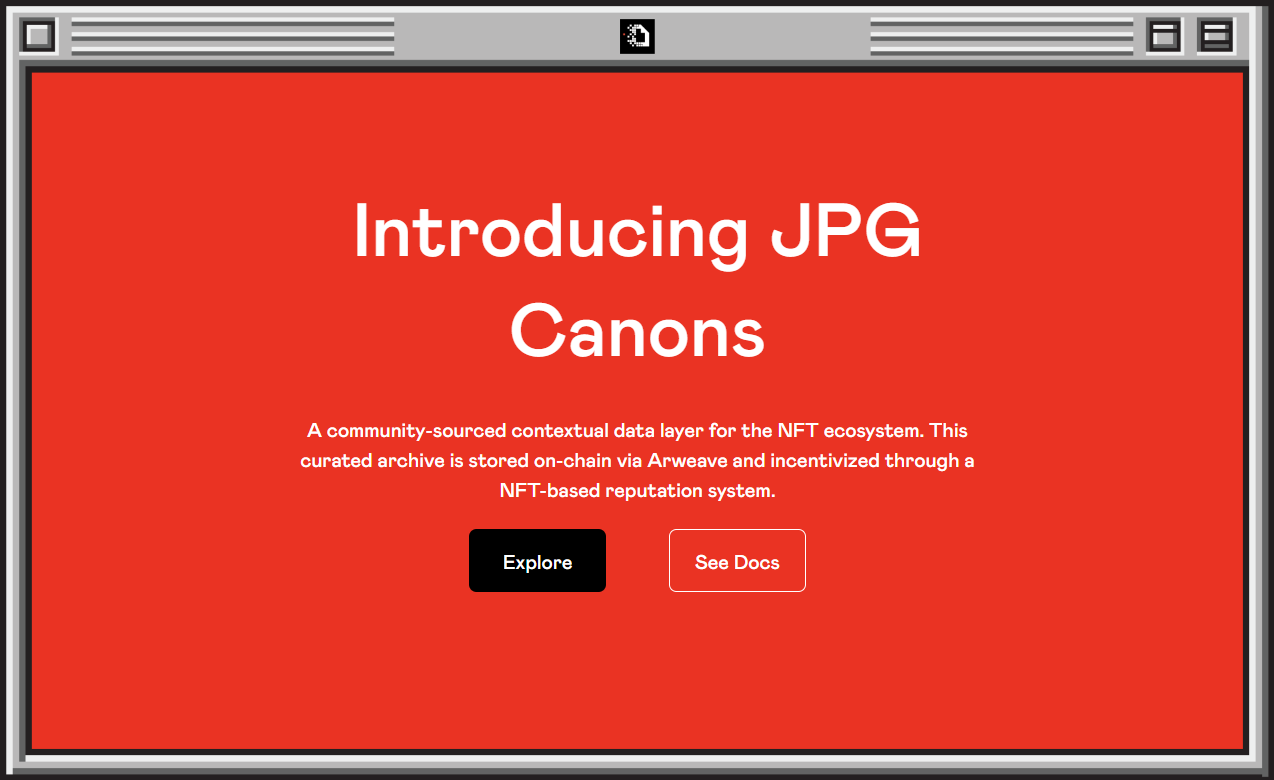
JPG Canons is a TCR system that uses NFT-based voting to create and maintain a high-quality, decentralized list of NFTs. For example, “Historical Collection”, “Podcast NFT”, “Noun DAO Derivative”.
Users proposing Canons must provide a title, description, criteria, and three potential submissions to begin the process. This will start a proposal cycle where other community members can suggest appropriate collections or individual her NFTs, which in turn can vote on everyone else’s proposals.
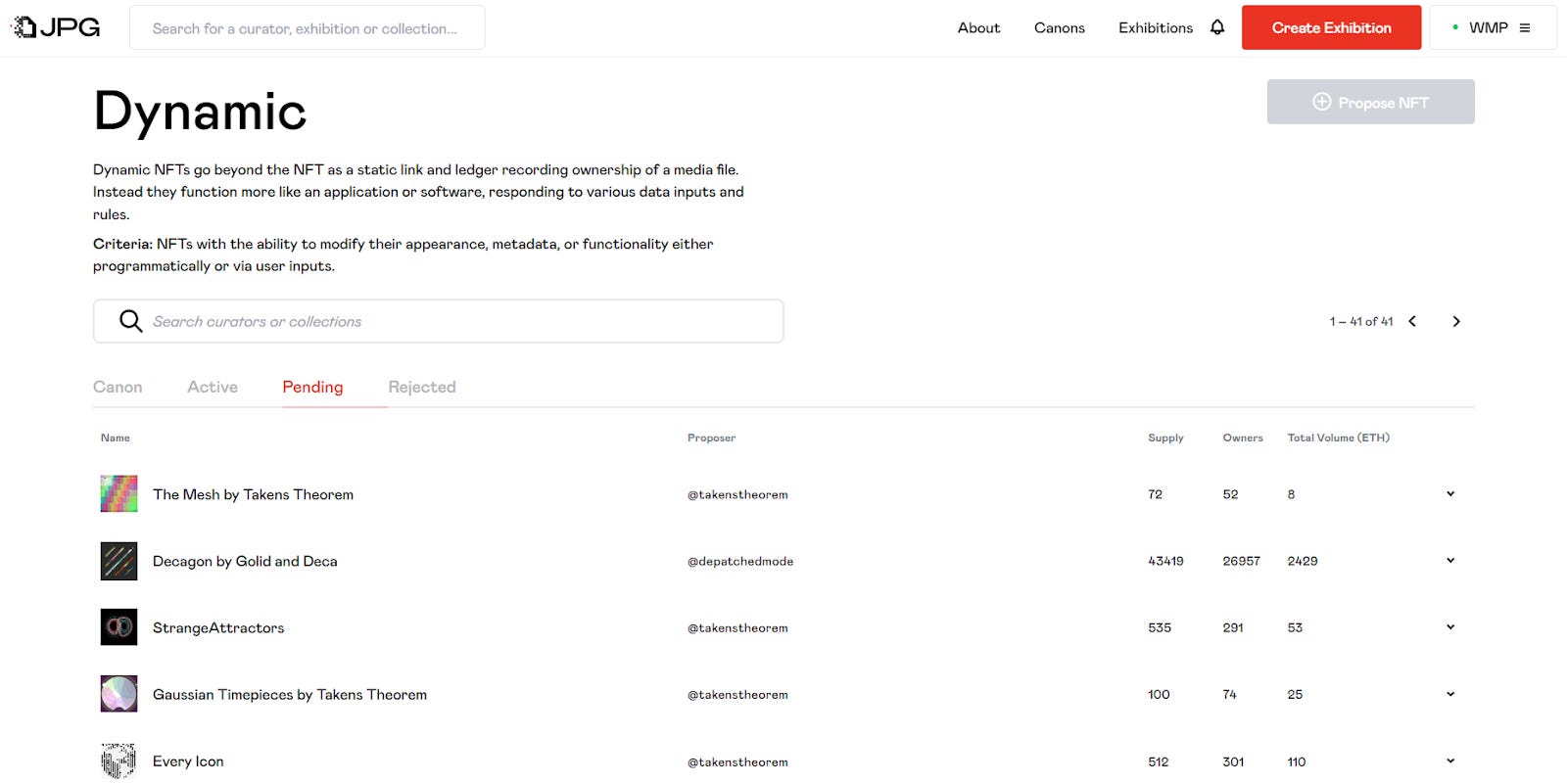
Access to this governance process is provided free of charge and non-transferable. Canon NFTcustomizable and dynamically tracks owner governance actions through built-in reputation and XP systems.
So the more you vote and suggest in your Ethereum wallet, the more XP you will receive. This will unlock more voting power for Canon and customization options for more Canon layers over time.
In this alpha stage, JPGs start with a single “”.Dynamic NFTsCanon will select several other useful categories on a trial basis before opening Canon’s new proposal process to Canon NFT owners early next year.
Note that the original Canonicon allowlist was centered around JPG community members. However, the allowlist will be reopened via wallet or tweet verification in the next few days, so be careful if you’re interested in joining and contributing beyond the first Canons.
Canons is a bottom-up NFT TCR system intended to serve as a free, public resource for NFT space discovery and indexing. The goal of these NFT lists is to make archiving, discovery, and research efforts easier and more reliable for both web3 experts and web3 novices.
NFT marketplaces could seriously use decentralized verification badges. The chronicler of NFT history wants to plan the rise of tangible and intangible digital collectibles. Crypto artists want to defragment and preserve their catalogs for posterity.
These are just some of the areas Canons can make a difference in the future. At a time when big algorithms dominate mainstream culture everywhere, community-coordinated efforts through and for NFTs offer an interesting escape from the status quo and towards the next big cultural frontier: online. represents. When on-chain.
William M. Peester is a professional writer and creator of metaversal— Bankless newsletter focused on the emergence of NFTs in the crypto economy. Recently, we also provide content to Bankless, JPG, etc.
apply bankless$22/month.include Archive access, inner circle & badge.
Trade NFTs on major marketplaces to find more listings at better prices. Uniswap’s NFTs are open source, trustless and self-managing. To celebrate the NFT on Uniswap, we’re airdropping $5 million to select historic buildings. spirit user. Start trading NFTs today on Uniswap.

It is not financial or tax advice. This newsletter is strictly educational and is not investment advice or a solicitation to buy or sell assets or make financial decisions. This newsletter is not tax advice. Please consult your accountant. Please do your own research.
disclosure. From time to time I add links to products I use in this newsletter. We may receive a commission when you purchase through one of these links. Additionally, bankless writers hold crypto assets.see us Click here for investment disclosure.

0 Comments